
- info@resarezistans.com
- Balatçık, 10041. Sk. NO:18, 35610 Atatürk Osb Çiğli - İzmir

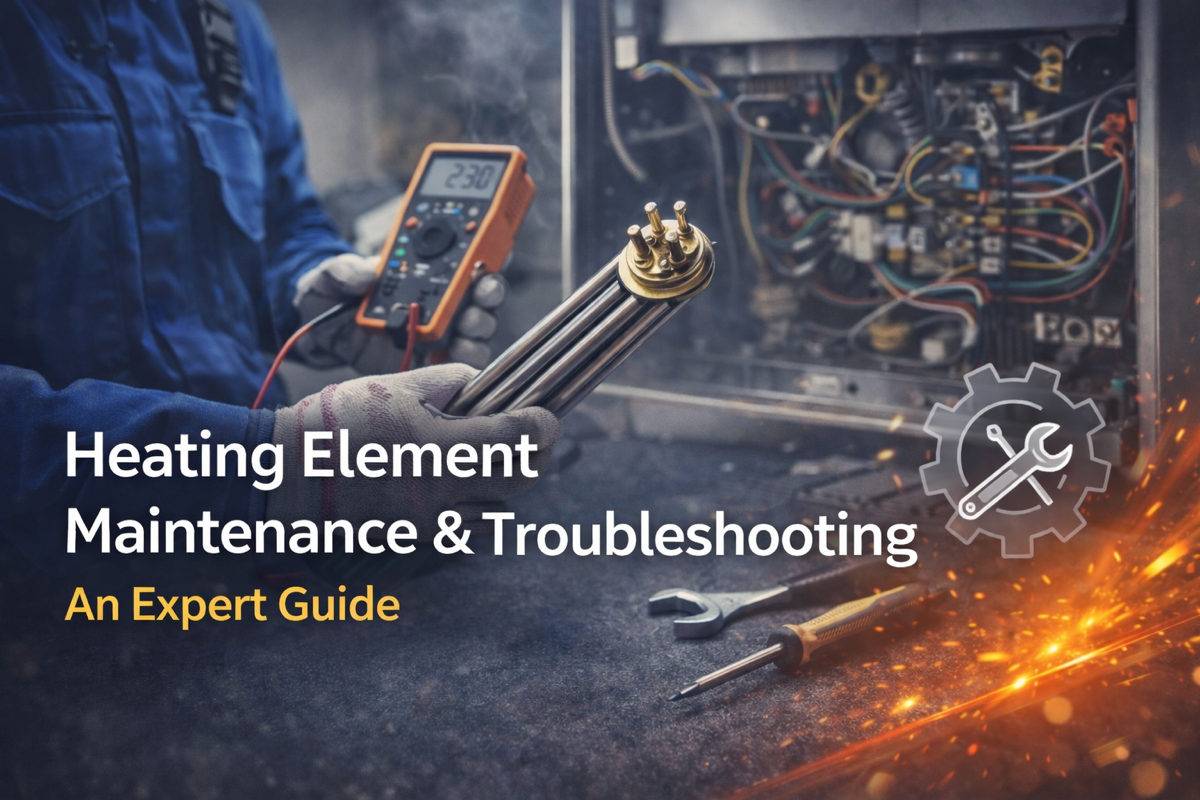
Heating Element Maintenance and Troubleshooting: Expert Guide
20
Oct
Heating Element Maintenance and Troubleshooting
Proper maintenance and effective troubleshooting of industrial heating systems are critical for ensuring efficient operation and extending equipment lifespan. This comprehensive guide covers professional maintenance strategies and solutions to common problems.
Preventive Maintenance Strategies
1. Regular Visual Inspections
Regular visual inspections are essential for early detection of potential issues:
- Surface cracks and deformations
- Signs of corrosion
- Loose connections at terminals
- Insulation damage
- Discoloration or hot spots
2. Electrical Measurements
Regular electrical measurements help detect performance degradation early:
- Resistance measurement (megger testing)
- Insulation resistance checks
- Current and voltage measurements
- Power factor analysis
- Ground fault testing
Common Failures and Solutions
1. Heating Element Burnout
Symptoms: No heating, blown fuses, abnormal odors
Causes:
- Excessive power loading
- Inadequate cooling
- Voltage fluctuations
- Age-related deterioration
Solution: Replace damaged element and analyze root cause
2. Reduced Performance
Symptoms: Slow heating, inability to reach target temperature
Causes:
- Scale and deposit buildup
- Air bubbles in liquid systems
- Insufficient power supply
- Thermostat malfunction
3. Electrical Leakage
Symptoms: Ground fault circuit breaker trips, risk of electric shock
Emergency Response: Immediately shut down system and seek expert support
Maintenance Program Development
Daily Checks
- Temperature value monitoring
- Abnormal noise and vibration checks
- Safety system testing
- Visual inspection of connections
Weekly Checks
- Connection tightness verification
- Insulation condition assessment
- Cleaning procedures
- Control system calibration
Monthly Checks
- Comprehensive electrical measurements
- Performance analysis
- Spare parts inventory review
- Documentation updates
Troubleshooting Procedures
Step-by-Step Diagnosis
- Safety First: Ensure power is off and system is locked out
- Visual Inspection: Look for obvious signs of damage
- Electrical Testing: Measure resistance and insulation
- Thermal Analysis: Check for hot spots and temperature distribution
- System Analysis: Evaluate control systems and sensors
Diagnostic Tools
- Digital multimeters
- Insulation resistance testers
- Thermal imaging cameras
- Oscilloscopes for control signals
- Clamp-on ammeters
Safety Measures
Essential safety rules during maintenance work:
- Completely shut down system and disconnect power
- Apply lockout/tagout (LOTO) procedures
- Use appropriate personal protective equipment
- Wait for temperature to cool down
- Follow two-person work principle
- Test for zero energy before work begins
When to Seek Expert Support
Professional support should be obtained in the following situations:
- Electrical leakage conditions
- Recurring failures
- Safety system malfunctions
- Performance optimization needs
- Complex control system issues
Documentation and Record Keeping
Maintenance Records
- Inspection dates and findings
- Measurement results and trends
- Repair and replacement history
- Performance data tracking
Failure Analysis
- Root cause identification
- Corrective actions taken
- Prevention measures implemented
- Lessons learned documentation
Conclusion
Regular maintenance and proper troubleshooting techniques improve heating system efficiency and reduce operating costs. By following professional practices and seeking expert support when needed, optimal system performance can be maintained.
